


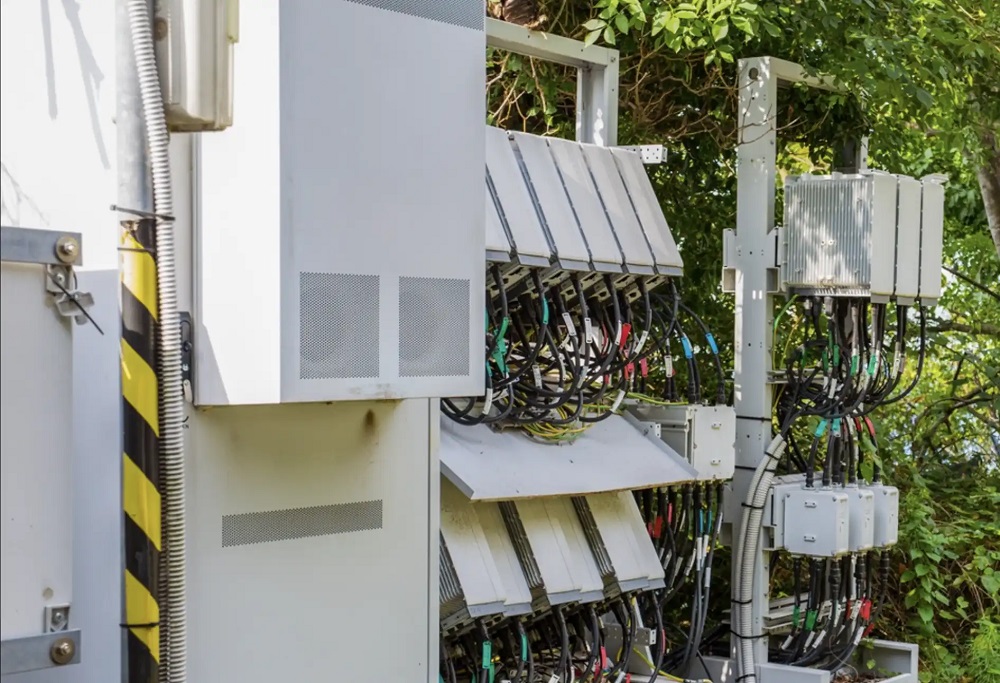
Industrial electrical systems often operate in conditions that are far less forgiving than those found in offices, homes, or controlled laboratories. Manufacturing plants, chemical processing facilities, offshore equipment, mining operations, and heavy machinery can expose electrical components to moisture, dust, vibration, pressure changes, chemicals, and extreme temperatures. Even a small weakness in an electrical connection can eventually result in signal loss, corrosion, equipment malfunction, or unplanned downtime.
High-performance hermetically sealed connectors are designed to protect electrical systems from moisture, pressure, and environmental contaminants. These specialized components are widely used in aerospace, defense, medical, and industrial applications. Their role becomes particularly important when a connection must continue functioning reliably despite repeated exposure to challenging operating conditions.
Specialized hermetic connectors are designed for applications that require secure electrical performance in challenging environments. Their construction helps protect internal components while supporting reliable signal and power transmission.
Understand the Environmental Risks
Before selecting components, engineers first need to understand exactly what the equipment will encounter during operation. Moisture is one of the most common concerns, but it is far from the only one.
Dust and fine particles can enter poorly protected housings and interfere with electrical contacts. Chemicals can attack metals or insulating materials. Temperature cycles can cause materials to expand and contract repeatedly, eventually weakening seals or connections.
Pressure differences can create another challenge. Equipment operating underwater, in vacuum chambers, at high altitude, or inside pressurized systems may require a very different connector design from equipment used in a standard factory environment.
A connector that performs well in one application may therefore be inappropriate for another.
Choose Materials for the Operating Environment
Material compatibility plays a major role in long-term reliability. Connector bodies, pins, insulating materials, seals, and surrounding structures must all be able to tolerate the expected environment.
For example, corrosion-resistant metals may be necessary in marine or chemical environments. High-temperature applications may require insulating materials that maintain their electrical and mechanical properties even after long exposure to heat.
Material selection should also consider how different materials interact with one another. Differences in thermal expansion can place stress on joints and seals when equipment repeatedly heats and cools.
The goal is not simply to select the strongest material, but to choose a combination of materials that can work together throughout the expected service life of the system.
Prevent Moisture and Contaminant Entry
Moisture can damage electrical equipment in several ways. It may promote corrosion, create conductive paths between contacts, reduce insulation resistance, or damage sensitive electronic components.
In ordinary environments, conventional gaskets or weather-resistant connectors may provide adequate protection. More demanding applications, however, may require sealing methods that provide a much stronger barrier.
Engineers should consider whether the application involves occasional splashes, continuous humidity, full immersion, pressure exposure, vacuum conditions, or aggressive chemicals. The appropriate level of sealing depends heavily on these operating conditions.
Account for Mechanical Stress
Electrical reliability is not only about environmental sealing. Mechanical forces can also affect the connection.
Industrial machinery may experience vibration, shock, movement, or repeated loading. If cables or connectors are not properly supported, these forces may be transferred directly to the electrical contacts.
Strain relief, secure mounting, appropriate cable routing, and mechanically robust connector designs can help reduce these stresses.
Connections should also be positioned where maintenance technicians can inspect them without creating unnecessary strain on cables or nearby components.
Consider Temperature Extremes
Temperature is another major factor in connector performance. High temperatures can degrade insulation, accelerate corrosion, and weaken sealing materials. Extremely low temperatures may cause some materials to become brittle.
Rapid temperature changes can be particularly challenging because they create repeated expansion and contraction.
Industrial systems operating near furnaces, engines, refrigeration equipment, aerospace systems, or outdoor machinery may experience substantial temperature variation. Components should therefore be rated not only for normal operation but also for expected extremes.
Design for Maintenance and Inspection
Even highly reliable systems benefit from regular inspection. Maintenance teams should be able to identify corrosion, cable damage, loose connections, seal deterioration, or contamination before these problems cause system failure.
Connector placement should therefore balance protection with accessibility.
Where possible, maintenance procedures should include visual inspection, electrical testing, and verification that environmental protection remains intact.
Documentation can also help technicians understand which connectors require special handling or replacement procedures.
Test Under Realistic Conditions
Laboratory specifications provide useful guidance, but actual operating conditions can be more complicated.
Testing may involve temperature cycling, vibration, pressure exposure, humidity, chemical resistance, or electrical load testing. For particularly critical systems, combined environmental testing may provide a more accurate picture of real-world performance.
Testing early in the design process can identify weaknesses before equipment enters service.
Build Reliability Into the Complete System
Protecting electrical connections requires more than selecting a single high-quality component. Reliability depends on connector design, materials, cable routing, enclosure protection, installation quality, environmental sealing, and maintenance practices working together.
Engineers who evaluate the complete operating environment can make more appropriate design decisions and reduce the likelihood of premature failure.
In harsh industrial applications, attention to electrical connection protection can improve equipment availability, reduce maintenance requirements, and support safer long-term operation.