

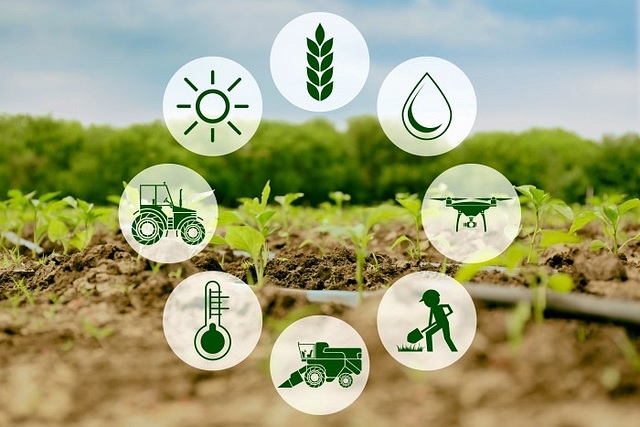
The agricultural sector, which has been fundamental to human civilization for millennia, is now in the midst of a profound transformation. With the global population expected to reach 9.7 billion by 2050, the demand for food is projected to increase by 60%. Simultaneously, the agricultural sector faces the challenge of ensuring sustainability, reducing environmental impact, and adapting to the pressures of climate change. In this context, agriculture technology (agritech) is emerging as a pivotal solution to address these challenges, offering innovative ways to increase productivity, efficiency, and sustainability.
However, while agriculture tech has enormous potential, the key to its success lies in scalability. In order for agritech solutions to make a significant impact, they must be capable of scaling from small, experimental pilot projects to large, global applications. Scaling up technology in agriculture is not just a matter of expanding its reach but involves aligning with the specific needs of farmers, ecosystems, and supply chains. In this article, we will explore the critical factors that determine whether agriculture technology can scale effectively.
1. Adaptability to Local Conditions
One of the most important factors for scaling agriculture technology is its adaptability to diverse local conditions. Agriculture is inherently tied to the environment, with each region having its unique soil types, climate conditions, water availability, and crop requirements. Therefore, agritech solutions must be versatile enough to operate across various geographies while addressing local challenges.
For example, precision agriculture tools such as soil sensors, satellite imagery, and drones can gather data to optimize irrigation, fertilization, and pest management. However, these technologies must be calibrated for specific regional conditions to ensure accuracy and efficacy. An agritech solution that works in California’s arid climate may need significant adjustments to be effective in the humid tropics of Southeast Asia. Scalability requires that technologies are designed with these variations in mind, either through adaptable software or modular hardware that can be customized for different environments.
2. Affordability and Accessibility
Agriculture technology has the potential to significantly boost productivity, but it must be affordable for the farmers who need it most. In many parts of the world, especially in developing countries, smallholder farmers often operate with limited capital and face financial constraints. The high upfront costs associated with advanced technology, including sensors, drones, and automated systems, may be prohibitive for them to adopt.
For agritech to scale, it must be affordable without compromising on quality or functionality. Companies in the agritech sector are addressing this challenge by developing scalable business models such as leasing, pay-per-use, or subscription-based pricing. These models allow farmers to access cutting-edge technology without bearing the full burden of upfront investment. Moreover, financial support through microloans, government subsidies, or partnerships with NGOs can further increase access for smallholder farmers.
Additionally, agritech companies must keep in mind that the digital divide in rural areas can be a significant barrier to adoption. Technologies that rely on high-speed internet, cloud computing, and other digital infrastructures may face difficulties in regions where connectivity is inconsistent. Therefore, it’s crucial for scalable technologies to be designed with low-tech alternatives or offline capabilities, ensuring accessibility in low-connectivity areas.
3. Data Integration and Interoperability
Agriculture technology generates vast amounts of data, from sensor readings to weather forecasts, satellite images, and market trends. For agritech solutions to be truly scalable, they need to integrate this data into a unified system that provides actionable insights for farmers. Data silos—where information is fragmented across various platforms and tools—can hinder the effectiveness of these technologies and prevent them from scaling.
For example, a farm management system that aggregates data from various sources—soil moisture levels, weather conditions, crop health, market prices—can help farmers make better decisions. However, for this system to scale, it must be interoperable with a variety of existing tools and platforms used in the agricultural value chain. Whether it’s connecting farm machinery, market platforms, or governmental agricultural services, the ability to seamlessly integrate data is essential for scaling.
Cloud-based platforms and open-source software can play a significant role in achieving data interoperability. By enabling real-time data sharing and collaboration between different stakeholders—farmers, agronomists, suppliers, and marketers—agritech solutions can help optimize the entire agricultural ecosystem, from production to distribution. The better the data flow and integration, the more scalable the technology becomes.
4. User-Friendly Design and Training
The adoption of new technology is often impeded by user resistance, especially among farmers who may be unfamiliar with advanced tools and systems. To scale effectively, agriculture technology must be user-friendly and intuitive, minimizing the learning curve for end-users. A system that is overly complex or difficult to navigate will struggle to gain widespread adoption.
Training is another critical element for scalability. Even the most innovative technology will fail to deliver its full potential if farmers are not adequately trained in its use. Effective training programs, whether delivered in-person or through digital platforms, can ensure that farmers understand how to use the technology to optimize their operations. Offering localized support in local languages, along with access to customer service and troubleshooting, can also improve adoption rates and ensure sustainable use.
Moreover, technologies that are mobile-first are often more accessible, given the high penetration of mobile phones even in rural areas. Agritech solutions designed for smartphones—such as apps for weather forecasting, pest control, or financial management—can provide farmers with the tools they need in the palm of their hands, facilitating easier adoption and scalability.
5. Sustainability and Environmental Impact
As the world faces climate change, agriculture is under pressure to reduce its environmental footprint. Scalable agritech solutions must not only increase efficiency and productivity but also support sustainable practices that minimize resource use and environmental degradation. Technologies that promote sustainable practices—such as precision irrigation, organic farming tools, or waste management systems—are key to ensuring long-term viability.
For example, precision irrigation systems that optimize water use are increasingly vital in water-scarce regions. By scaling up these systems, agritech companies can help farmers reduce water wastage, increase crop yields, and improve profitability. Similarly, drones and sensors that monitor crop health can reduce the need for harmful pesticides and fertilizers, promoting more environmentally friendly practices.
Agri-tech companies that focus on sustainability—through innovative solutions like regenerative agriculture, carbon capture, or renewable energy—are more likely to attract investment and customer loyalty. In addition, these solutions align with the growing global emphasis on environmentally conscious practices, making them not only scalable but essential for the future of farming.
6. Collaboration with Stakeholders and Ecosystem Development
Scalable agritech solutions do not exist in isolation. For technology to truly transform the agricultural sector, collaboration with a wide range of stakeholders is necessary. This includes governments, non-governmental organizations (NGOs), financial institutions, researchers, and the private sector. By working together, these stakeholders can help create the infrastructure, policies, and incentives needed to support widespread adoption of agritech solutions.
Governments, for example, can play a crucial role by providing subsidies, grants, or tax incentives to farmers who adopt sustainable agritech solutions. Partnerships with financial institutions can offer affordable credit options for farmers to invest in technology, while NGOs can support training and capacity-building initiatives. Researchers and universities also play a vital role in developing and refining new technologies that can scale globally.
In addition, building an ecosystem around agritech—through platforms that connect farmers, suppliers, service providers, and consumers—can help optimize value chains and encourage innovation. Such collaboration ensures that the benefits of agritech are shared across the entire agricultural ecosystem, creating a thriving, sustainable industry.
Conclusion
Scaling agriculture technology is not merely about expanding its reach—it is about ensuring that it is adaptable, accessible, and impactful across diverse global contexts. To successfully scale, agritech solutions must be affordable, user-friendly, and designed to integrate seamlessly with existing systems. Data interoperability, sustainability, and collaboration with key stakeholders are also critical for ensuring that the technology can deliver long-term value to farmers and the broader agricultural sector. As the world’s agricultural needs continue to grow, these factors will play a pivotal role in shaping the future of food production, ensuring that it is both sustainable and resilient in the face of global challenges.