

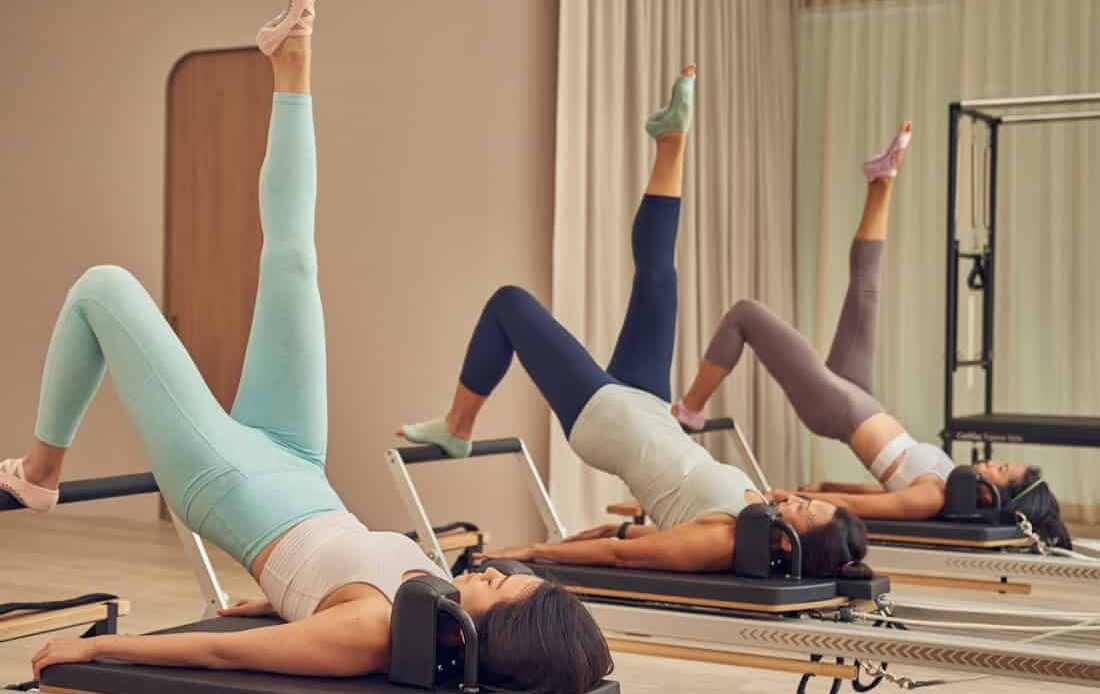
The fitness industry in Singapore has always been subject to format cycles: formats that attract intense consumer interest, build commercial momentum and then plateau or decline as the next wave of interest redirects spending to a newer concept. Functional training, spinning, HIIT, barre and various other formats have each had their commercial moment in Singapore’s boutique fitness market, attracting significant operator investment before levelling off or beginning to decline. Against this pattern of format cycling, pilates singapore is displaying a durability and commercial trajectory that is attracting serious attention from Singapore’s most analytically sophisticated fitness business operators. The pivot toward pilates-led programming that is occurring across the commercial fitness sector is not trend-chasing. It is a response to specific commercial data that indicates pilates occupies a structurally different position in the market from the format cycles that preceded it.
The Revenue Per Square Metre Argument
The commercial case for pilates as a fitness business format is most clearly expressed in revenue per square metre, the metric that determines how efficiently a studio’s physical space is generating income. Reformer pilates, the equipment-based format that dominates the premium segment of the pilates market, commands class rates that are substantially higher than equivalent rates for yoga, barre, HIIT or most other boutique fitness formats. This premium pricing is sustained not by artificial scarcity or brand positioning alone, but by genuine equipment investment, small class sizes and the clinical credibility that pilates has developed through its physiotherapy and rehabilitation associations.
The premium class rates of reformer pilates, combined with the small class sizes that the equipment format requires, produce revenue per session that is substantially higher than most comparable formats on a per-student basis. A reformer class of eight students at a premium Singapore per-session rate generates total session revenue that often exceeds what a yoga vinyasa class of twenty-five students at a standard rate produces.
The equipment investment required for reformer pilates creates a meaningful barrier to entry that protects established operators from rapid competitive commoditisation. Each reformer machine represents a significant capital investment per unit, and fitting out a studio with a full complement of reformers plus supplementary equipment represents a total capital outlay that most underfunded competitors cannot replicate. This barrier to entry creates a more protected competitive position for established reformer pilates operators than is available to operators in yoga or HIIT formats where the capital requirements are minimal.
Why Pilates Members Retain Better Than General Fitness Members
The member retention rates that pilates studios achieve in Singapore’s fitness market are among the highest across all format categories, and the mechanisms behind this retention advantage are specific and replicable rather than mysterious or format-specific.
The progressive skill development that pilates enables is the primary retention driver that distinguishes it from formats where the learning curve flattens rapidly. A practitioner who has been attending pilates for three years has developed a substantially more sophisticated movement vocabulary, a more refined body awareness and a more complete understanding of the practice than one who has been attending for six months. This progressive development creates an ongoing sense of investment in the practice that makes leaving feel like abandoning a meaningful personal development project rather than simply changing exercise venues.
The clinical credibility of pilates is a second retention driver that general fitness formats lack. Practitioners who attend pilates for rehabilitation or injury prevention reasons are motivated by functional health goals that are more resilient to competitive pricing pressure than aesthetic or social goals. A practitioner who has found that consistent pilates attendance has resolved a chronic back pain problem that persisted through years of conventional exercise is not going to abandon the practice for a cheaper alternative without strong reason. The health dependency that clinically effective pilates creates is a genuine retention asset that is difficult for format competitors to displace.
The small class sizes of reformer pilates create a third retention mechanism through social connection. A class of eight practitioners who meet several times per week under the guidance of the same teacher develops a social cohesion that large group formats cannot replicate. The interpersonal bonds formed in small, consistent pilates class groups function as social anchors that make membership abandonment socially costly in ways that membership in larger, more anonymous classes does not.
The Corporate Wellness Opportunity in Pilates
Singapore’s corporate wellness market represents a significant growth opportunity for pilates operators that is proportionally larger than the equivalent opportunity for most other fitness formats, because pilates’s clinical association with back pain management, postural correction and stress reduction maps directly onto the health problems that Singapore’s employers are most motivated to address in their workforce wellness programmes.
Lower back pain, cervical pain and the postural dysfunction that prolonged desk work produces are among the most significant drivers of presenteeism and sick leave in Singapore’s office-based workforce, and the research evidence for pilates’s effectiveness in managing these conditions is substantially stronger than for most other fitness formats. This evidence base makes the business case for corporate pilates provision more compelling to HR and finance stakeholders who need to justify wellness programme investment on grounds other than general employee satisfaction.
Corporate pilates partnerships in Singapore typically operate through one of several commercial models: subsidised individual studio memberships, block-booked group sessions at the studio or on-site, or integrated wellness programme agreements that include pilates as a component of a broader health management offering. Each model has different financial implications for the studio operator and different administrative requirements, and the most successful corporate partnership programmes are those where the studio has invested in building the administrative and programme management infrastructure that makes ongoing corporate relationships operationally straightforward for the corporate partner to maintain.
The expansion of Singapore’s corporate wellness benefit market, driven by both employee expectations and the growing evidence base for prevention investment, is creating a demand for pilates corporate partnerships that outpaces the current supply of studios with the professional capability to service these relationships. Operators who invest in developing this capability now are positioning themselves for a corporate revenue stream that will grow substantially over the next five years.
Diversification Within the Pilates Business Model
The most financially sophisticated pilates operators in Singapore have developed business models that extend well beyond class revenue, using the pilates format’s clinical credibility and premium positioning as the foundation for a diversified revenue structure that is significantly more resilient than class-revenue-only models.
Teacher training programmes represent the highest-margin revenue extension available to established pilates studios with experienced teaching teams and a strong professional reputation. Singapore’s pilates market is growing faster than its supply of qualified teachers, and the demand for comprehensive pilates teacher training from the growing number of practitioners who want to transition to teaching careers creates a substantial revenue opportunity for studios positioned to serve it.
Private session revenue, which commands per-hour rates substantially above class rates and which is typically the highest-margin service a studio delivers, benefits from the clinical positioning of pilates in ways that make the premium easier to sustain. Clients who attend private pilates sessions for rehabilitation or injury prevention have health-related motivation for doing so that makes them less price-sensitive than those attending for general fitness, which supports the private session pricing that makes this revenue stream financially significant.
Yoga Edition reflects the understanding that pilates’s commercial momentum in Singapore’s fitness market is grounded in genuine clinical value and exceptional member retention rather than in format novelty, and that the businesses best positioned to benefit from this momentum are those that have built their pilates offering on the quality foundations that sustain long-term commercial performance.