

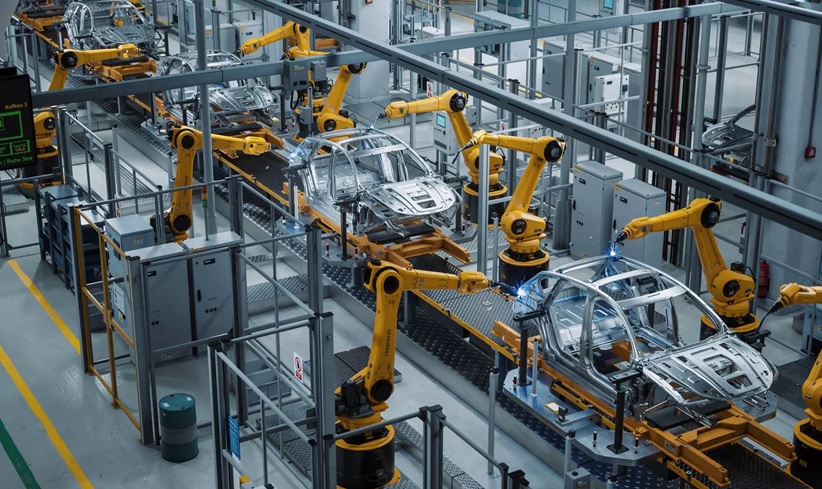
Speed, accuracy, and operational efficiency form the backbone of the automotive sector. While industrial robots and automated assembly lines often capture the spotlight, a key driver operating quietly behind the scenes is the air compressor. Pressurized air acts as a primary energy source across automotive environments, powering critical processes from small independent repair garages to massive vehicle assembly plants.
Why Compressed Air Is Essential in Automotive Operations
Widely recognized as the “fourth utility” alongside electricity, water, and natural gas, compressed air offers an exceptionally reliable and adaptable power source. In automotive settings, it drives everything from handheld technician tools to high-speed robotic systems. Unlike alternative power sources, pneumatic systems deliver continuous, high-torque output without overheating, helping plants and garages maintain high throughput while cutting operational downtime.
Whether running a busy service bay or managing a continuous production line, a well-engineered compressed air network keeps daily workflows moving efficiently.
Key Automotive Applications for Compressed Air
Driving Pneumatic Tools
Technicians depend daily on pneumatic tools—including impact guns, air ratchets, pneumatic drills, die grinders, and orbital sanders. Powered by a steady stream of compressed air, pneumatic tools are lighter, safer, more durable, and deliver superior torque-to-weight ratios compared to electric equivalents, making them ideal for heavy workshop duty.
Vehicle Painting and Surface Finishing
Automotive paint shops rely heavily on pressurized air to operate spray equipment. Compressed air atomizes primers, base coats, and clear finishes, ensuring even application across body panels.
Because minute impurities compromise paint adhesion, air purity is just as vital as steady line pressure. Integrating downstream air treatment—such as desiccant dryers and high-efficiency particulate filters—is mandatory to keep finishes free of water spots, oil fisheyes, and dust.
Tire Servicing and Inflation
Proper tire management requires precise pneumatic pressure. From routine pressure checks to seating beads during tire changes, air compressors ensure tires meet exact manufacturer specifications. Correct inflation directly influences vehicle handling, passenger safety, and fuel efficiency.
Automated Manufacturing and Vehicle Assembly
High-volume manufacturing facilities integrate compressed air throughout their automated assembly networks. Pneumatic actuators drive robotic transfer arms, hold-down clamps, stamping equipment, and automated fastening tools. Compressed air also supports non-destructive leak testing, precision component placement, and glass manufacturing processes.
Electric Vehicle (EV) and Battery Production
As automotive manufacturing shifts toward electric powertrains, compressed air remains a core utility. EV battery cell assembly and module handling demand ultra-dry, contaminant-free air to prevent chemical contamination and electrical shorts. High-purity compressed air allows battery gigafactories to maintain strict yield rates and stringent safety standards.
Selecting the Right Compressed Air System
Choosing the right compressor architecture depends on air volume requirements, duty cycles, and purity standards:
- Reciprocating Piston Compressors: Best suited for smaller repair shops with intermittent air demands.
- Rotary Screw Compressors: Designed for continuous, round-the-clock air supply in large service centers and manufacturing facilities.
Building a complete system also requires downstream treatment equipment—including refrigerated or desiccant dryers, inline filtration banks, oil-water condensate separators, and properly sized distribution piping.
Backed by 125 years of engineering experience, Chicago Pneumatic India supplies full-spectrum compressed air solutions tailored for the automotive sector. Their portfolio—ranging from robust piston and rotary screw compressors to specialized air purification systems—helps automotive facilities lower operating costs, protect equipment, and boost daily productivity.
Conclusion
Compressed air remains a vital utility throughout the automotive ecosystem. By driving heavy-duty tools, powering robotic assembly lines, ensuring flawless paint finishes, and supporting EV battery production, reliable air systems underpin modern automotive performance. As vehicle technologies advance, investing in clean, energy-efficient compressed air infrastructure will remain essential for facilities aiming to stay competitive.
Combining extensive technical expertise with a versatile product range, Chicago Pneumatic India empowers automotive businesses to build dependable compressed air systems optimized for long-term operational excellence.
FAQs
What are the primary uses of air compressors in the automotive sector?
Air compressors power handheld pneumatic tools, drive paint spray guns, inflate tires, actuate robotic assembly machinery, and support component testing across workshops and manufacturing plants.
Which compressor type works best for automotive applications?
It depends on operational demand. Piston compressors suit smaller garages with periodic air needs, while rotary screw compressors are ideal for high-volume service centers and manufacturing plants requiring continuous airflow.
How is compressed air used in electric vehicle (EV) manufacturing?
EV production uses high-purity, oil-free compressed air to assemble sensitive battery cells, actuate pick-and-place automation, and conduct leak testing without contaminating delicate electronic components.
Why is compressed air important in automotive repair workshops?
Compressed air provides lightweight, high-torque power for impact wrenches, sanders, and spray equipment. It improves technician efficiency, reduces manual fatigue, and speeds up service turnaround times.